
GLASS RAILINGS • SAN ANTONIO + BOERNE
Glass Railings & Balustrades in San Antonio & Boerne, TX
A glass guard holds people back from a drop while keeping the view and the light. That makes it a structural element first and a design choice second — which is why the glass make-up matters more than the finish.
RECENT WORK
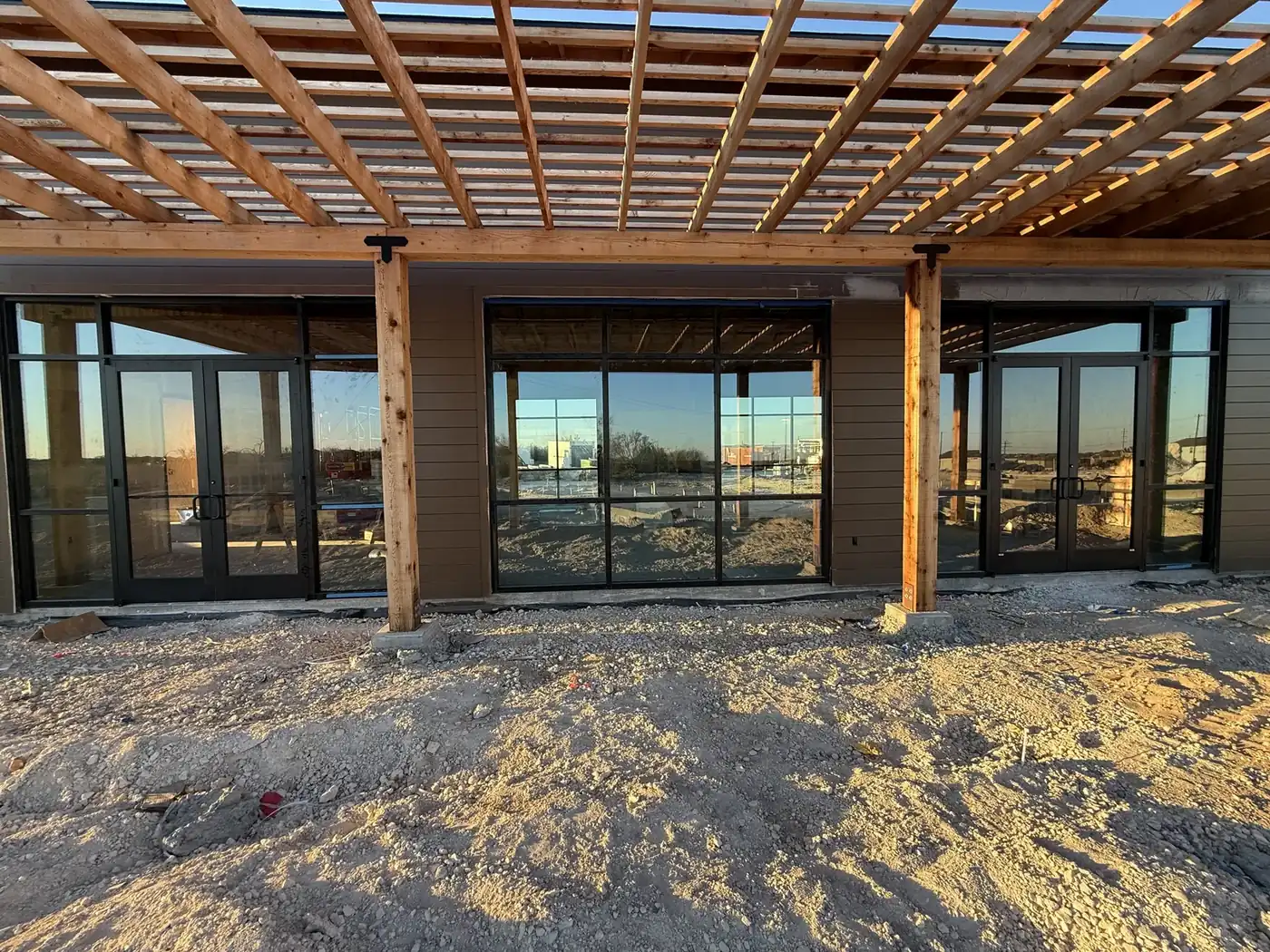
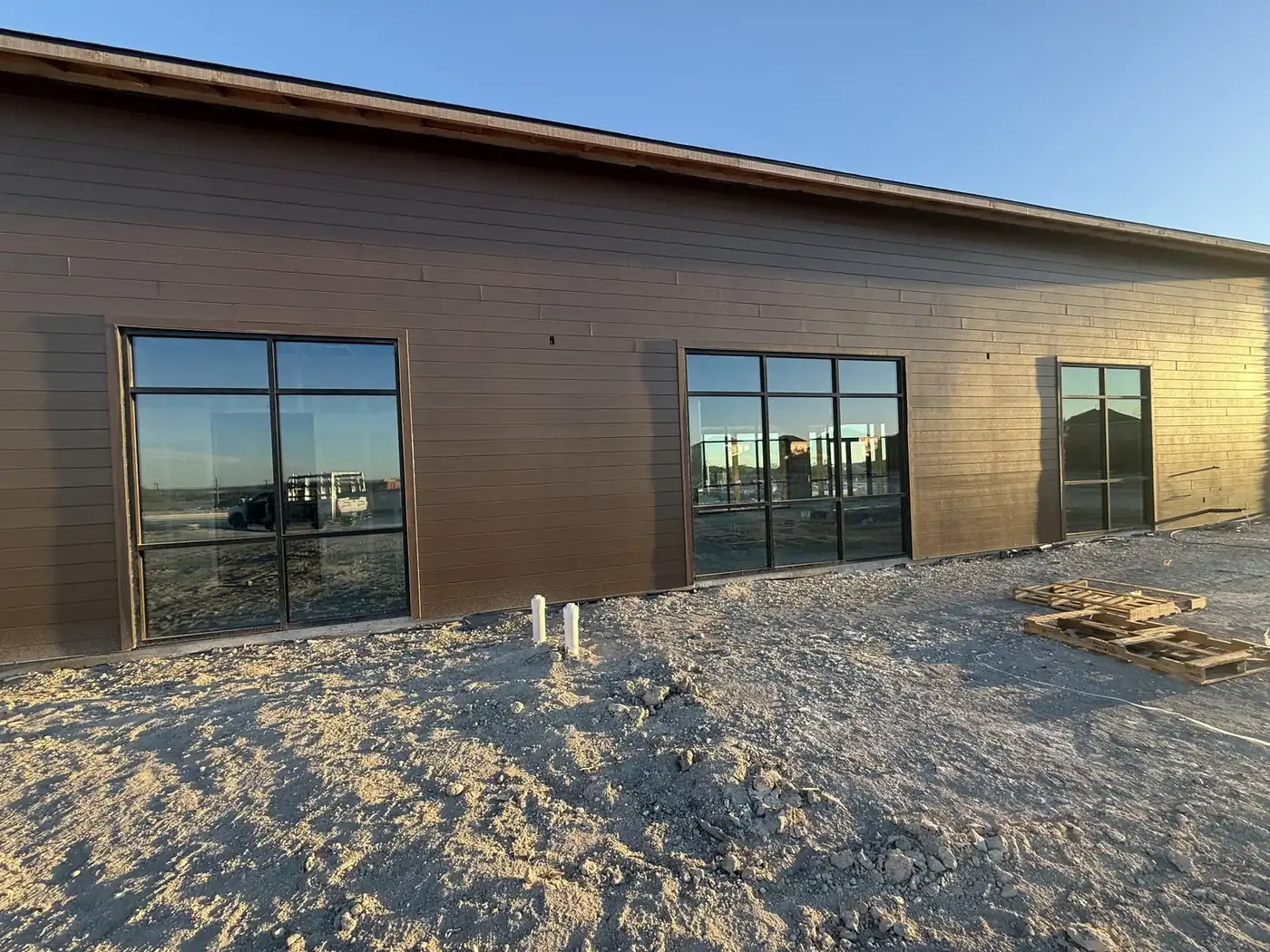
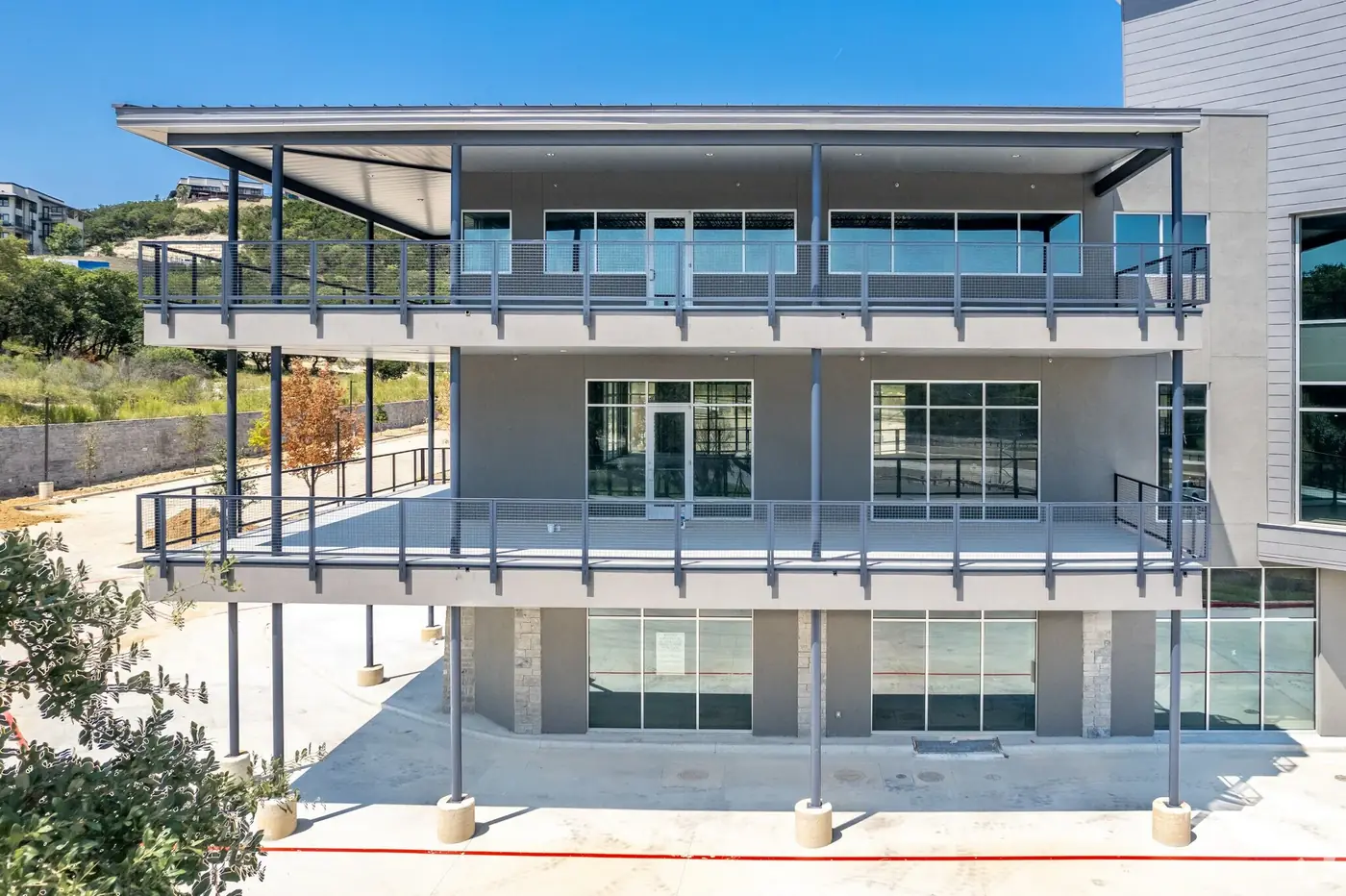
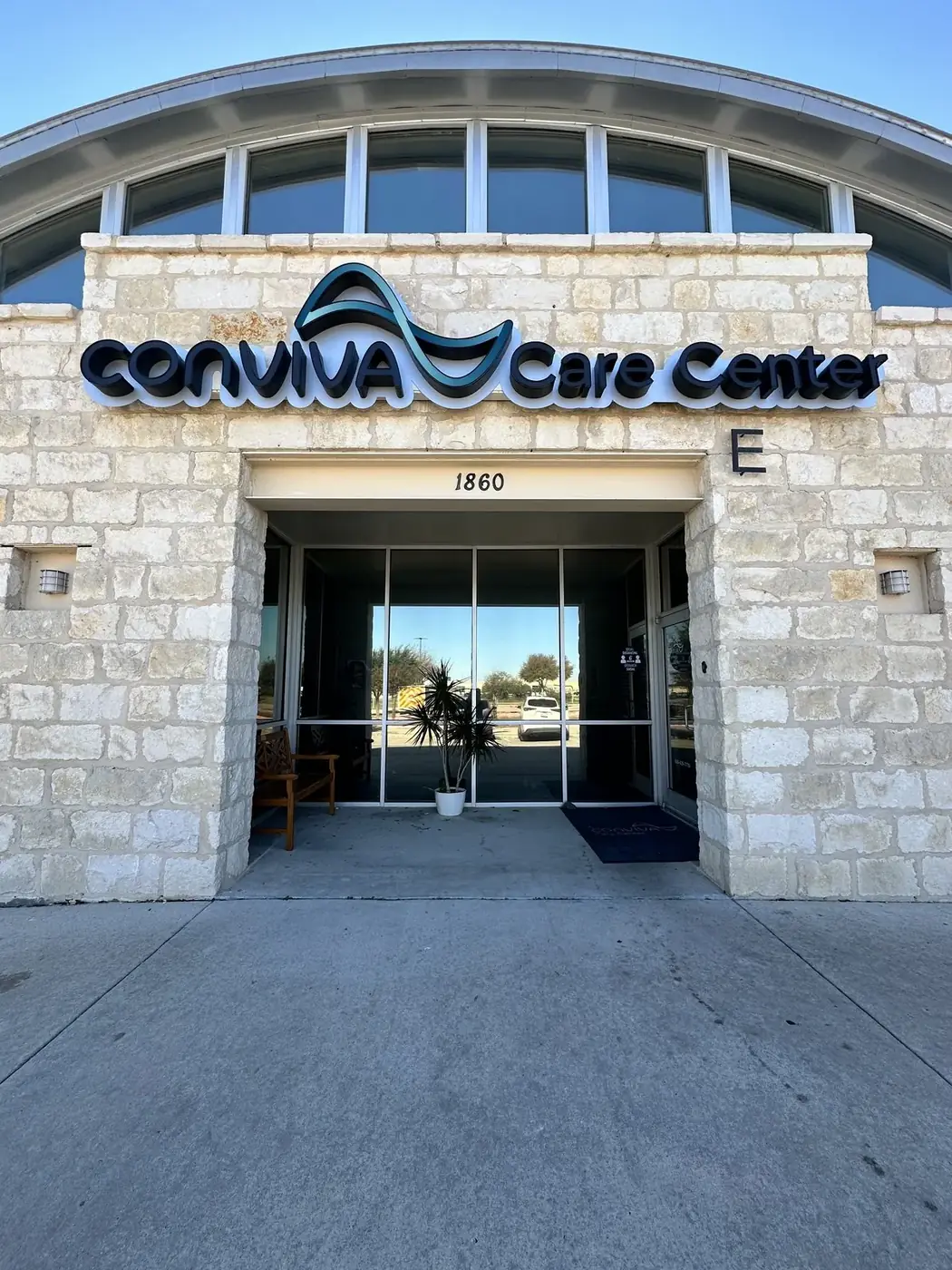
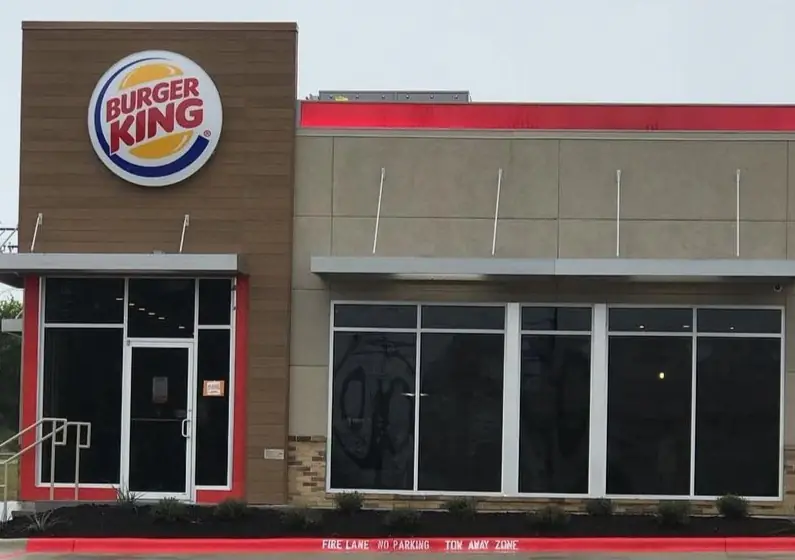
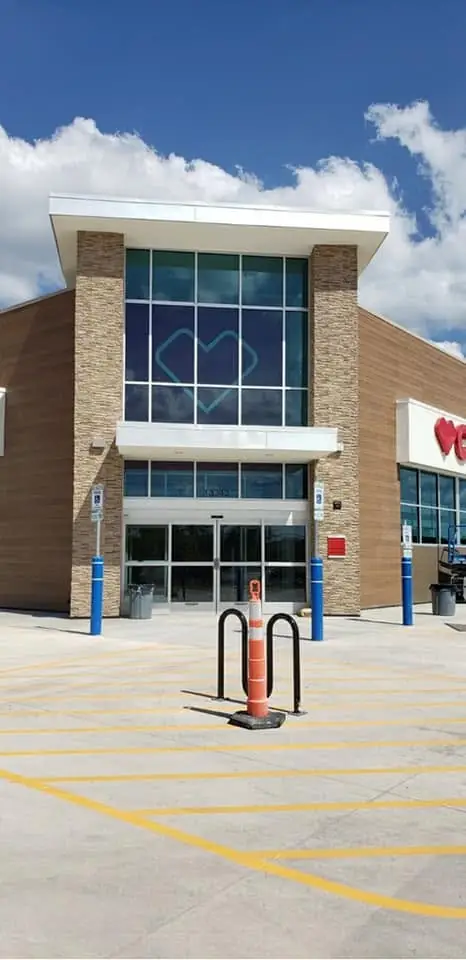
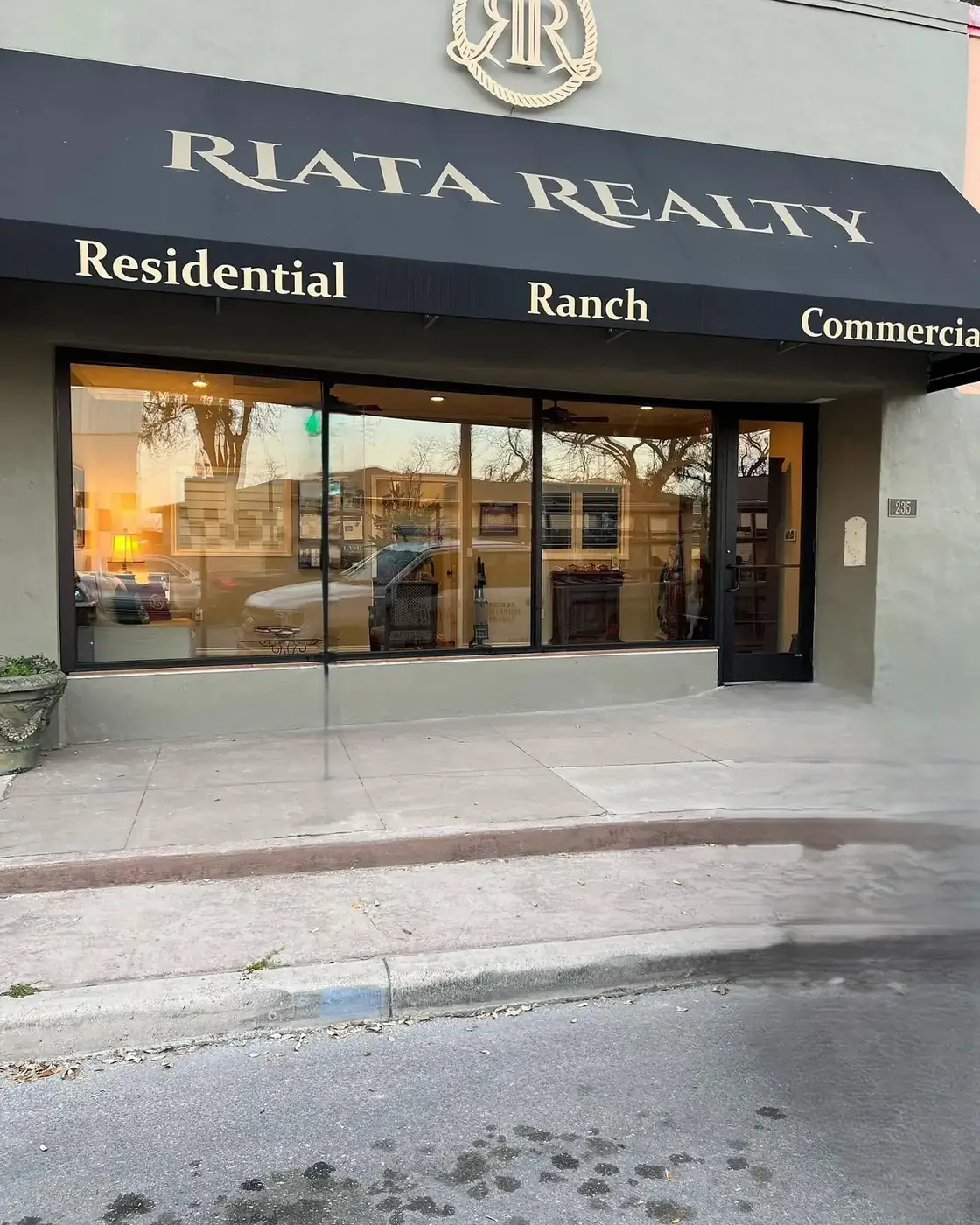
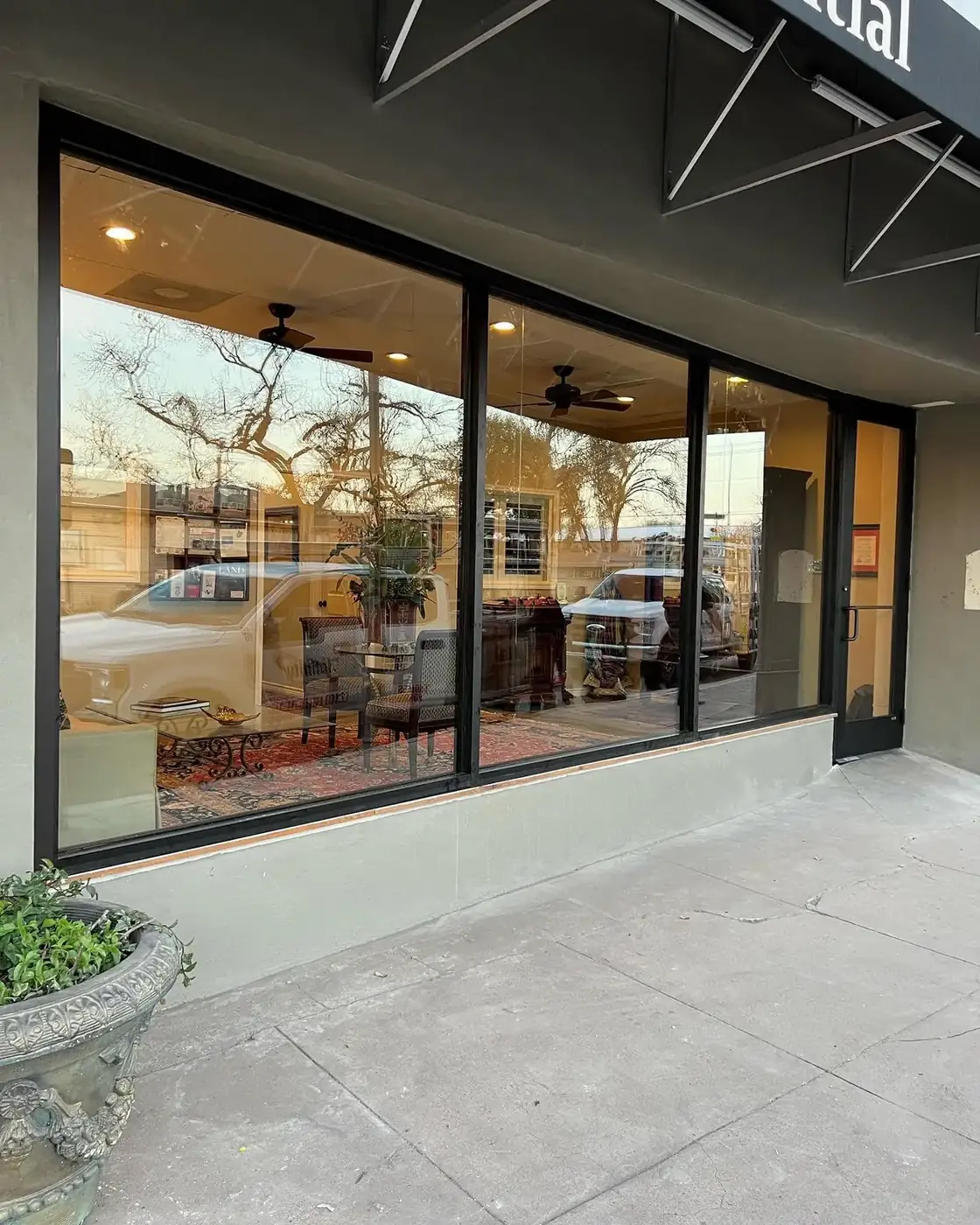
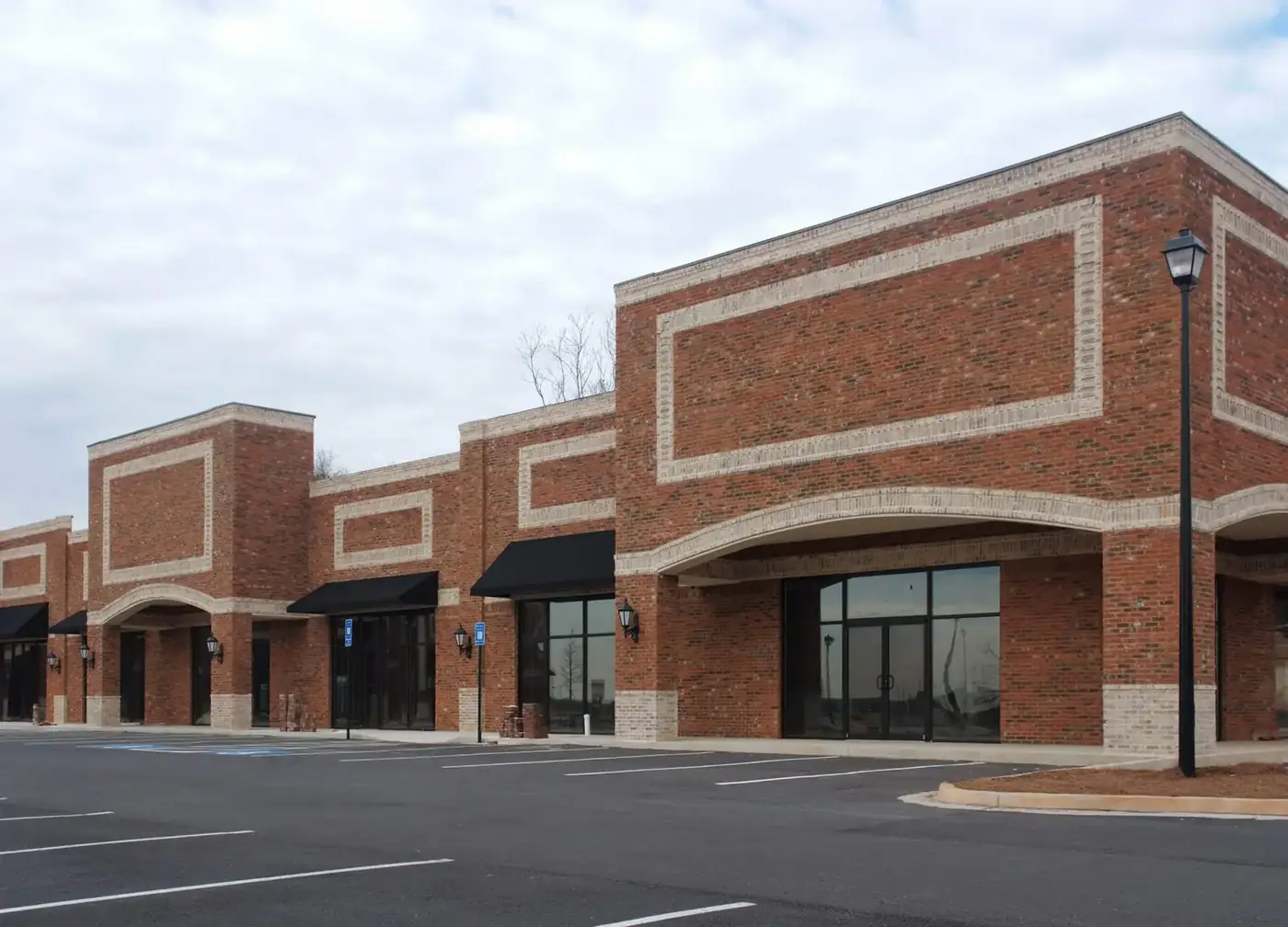
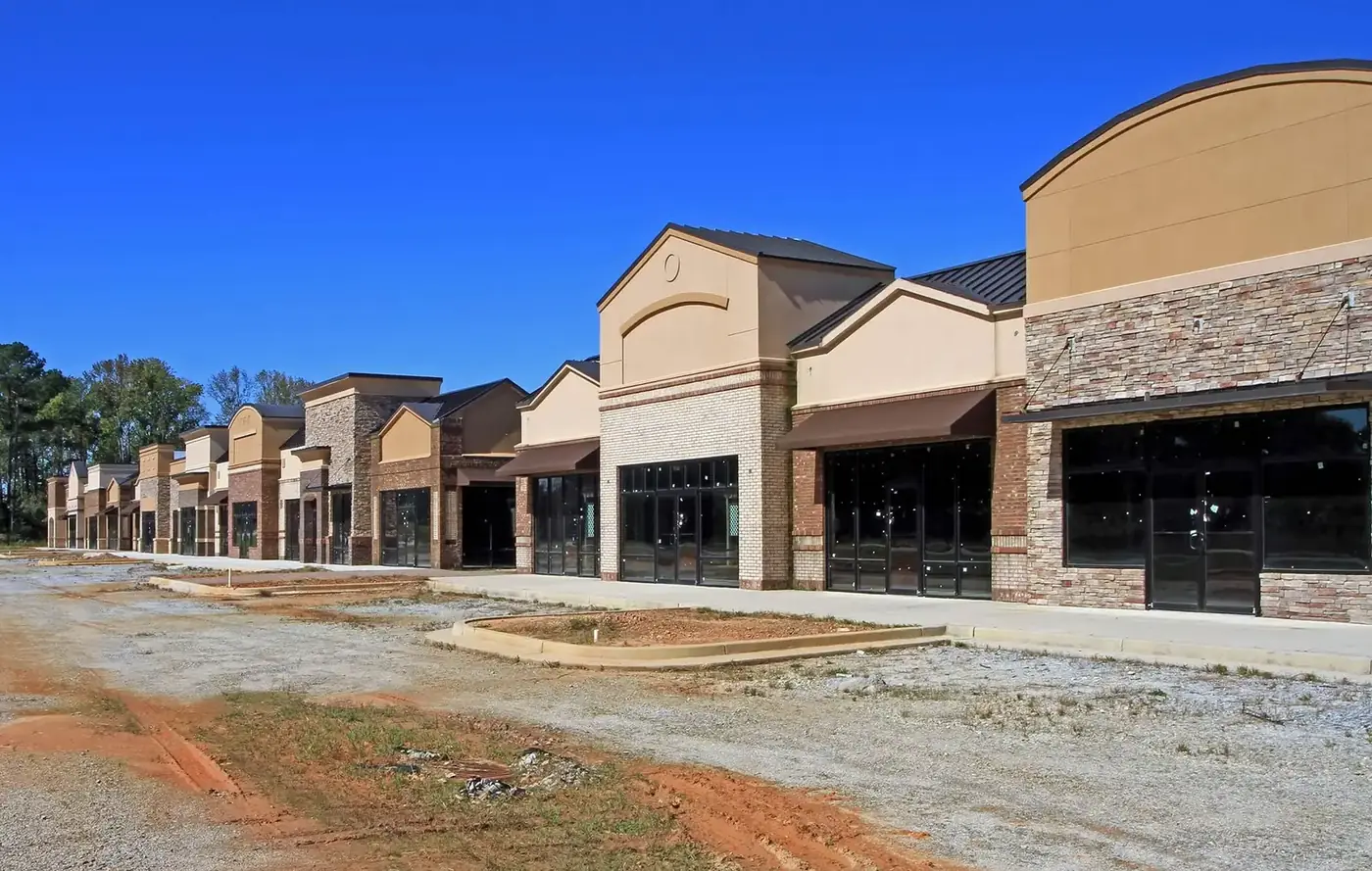
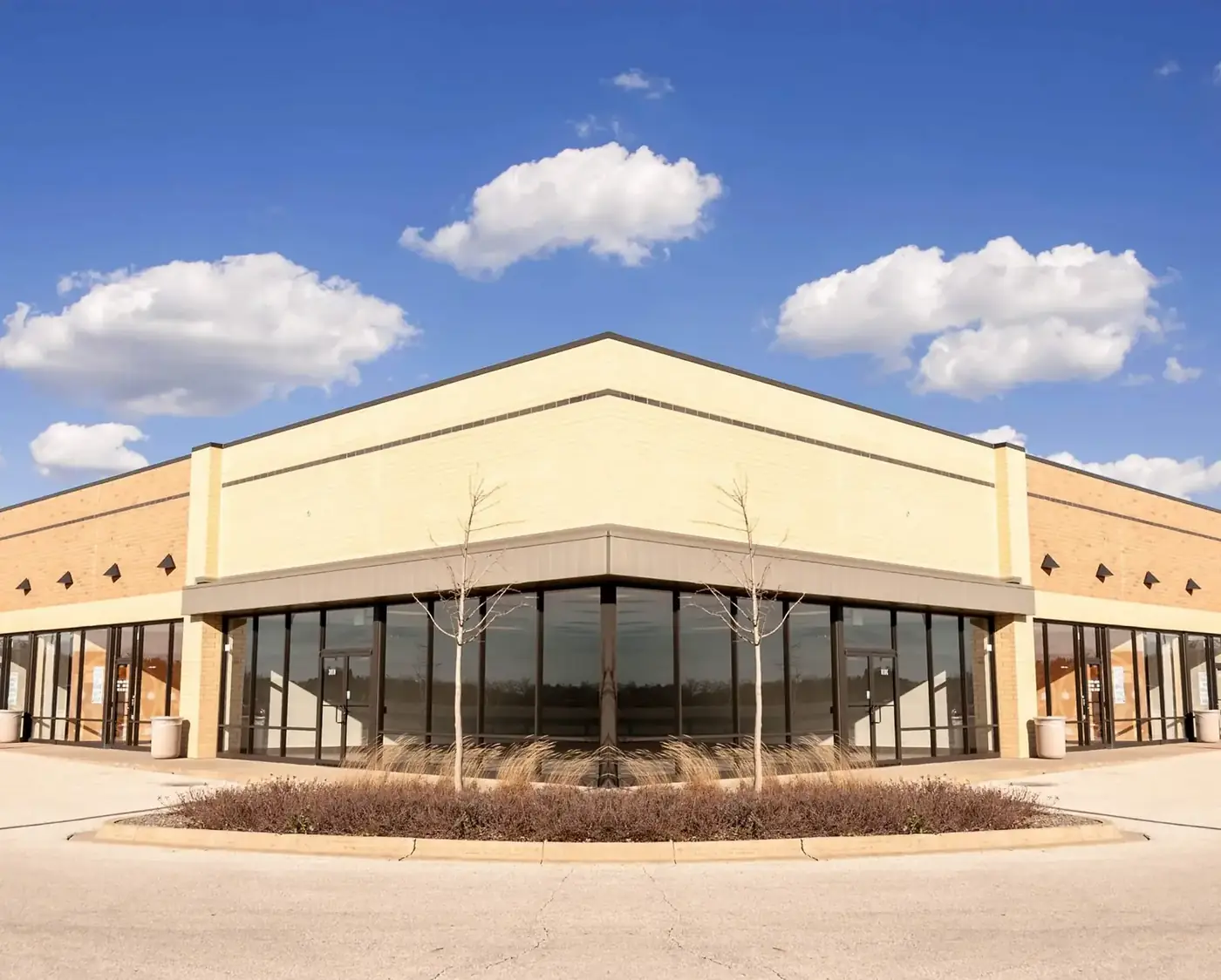
Recent commercial projects.


AT A GLANCE
What is a glass railing?
A glass railing — a balustrade or guard — uses glass panels in place of pickets or solid infill to stop a fall at a stair, balcony, landing or mezzanine. The panel is doing structural work, so it is specified the way a structural element is: by load, by span, and by what happens when it breaks.
Systems differ mainly in how the glass is held. A base shoe channel grips the bottom edge and leaves the glass otherwise uninterrupted. Standoff fittings pin panels to a face or a stringer. Post-and-panel systems carry the load in the posts and let the glass infill. They are not interchangeable — each one asks something different of the structure behind it. We work on buildings, residential and commercial. No vehicle glass of any kind.
Tell us about your projectWHEN YOU MAY NEED THIS
Start here when…
- A stair, landing, balcony or mezzanine needs a guard and you do not want to lose the view.
- An existing rail has failed inspection, or a glass panel has cracked or come loose.
- You are opening up a dark stairwell and the rail is what is blocking the light.
- A deck or pool surround needs a barrier that will survive weather and sun.
HOW IT WORKS
A clearer next step.
- 01
Share the essentials
Tell us where the guard goes, the run length, the drop below it, and what the glass would be fixed to — concrete, steel, timber framing or an existing stringer. The substrate decides more about the system than the look does.
- 02
Agree the system and the glass
We confirm the fixing method, the panel make-up and the hardware, and establish what the authority having jurisdiction requires for that location. Where a project needs engineered drawings, that is established before anything is ordered rather than after.
- 03
Template, fabricate, install
Glass guards are made to the opening, not cut on site, so the measure has to be right before fabrication starts. Panels arrive finished and are set and anchored to the agreed detail.
COST
ESTIMATE CONTEXT
What influences the investment?
Railing cost is driven by the fixing system and the glass make-up far more than by the length of the run. A post-and-panel guard and a frameless base-shoe guard over the same twenty feet are different products at different prices.
Panel size and thickness, the interlayer, the hardware finish, the number of corners and gates, working height, and what the substrate will actually accept all move the number. Exterior runs ask more of the hardware than interior ones. Photos, the run length and the drop below make the first conversation a real one.
Request a tailored quoteFAQ
Service questions, answered directly.
These answers provide a fast starting point before you reach out.
See every questionWhat glass is used in a railing, and why does it matter?+
Guards are generally built from laminated glass — two or more plies bonded to an interlayer — rather than a single tempered pane. The reason is what happens on failure. Tempered glass is strong, but when a monolithic tempered panel does break it breaks all at once into granules, and a guard that disappears is no longer a guard. Laminated glass holds the broken plies to the interlayer so the panel stays in the opening while it is replaced. Where a top rail is absent, that distinction is usually the difference between a code-compliant guard and one that is not.
How tall does a glass railing have to be?+
Commercial guards are commonly 42 inches, residential guards commonly 36, measured from the walking surface, and a guard is generally required once there is more than a 30-inch drop. Openings are typically limited so a 4-inch sphere cannot pass through. Treat those as the shape of the requirement rather than the answer for your project: the adopted code edition and local amendments vary, and the authority having jurisdiction is who decides. We confirm it for the specific location before anything is fabricated.
Do glass railings show every fingerprint?+
They show more than a picket rail, and anyone who says otherwise has not lived with one. Interior panels need about what a shower door needs. Exterior panels in this area are mostly fighting hard water spotting from sprinklers and rain, which etches if it is left long enough. It is routine glass cleaning, not special treatment, but it is honest to say it is more than a metal rail asks for.
Can you replace one cracked panel instead of the whole run?+
Usually yes, and it is normally the right call. Panels in a run are made to the same spec, so a single damaged one can generally be swapped without touching the rest. The thing that decides it is whether the original make-up and hardware can still be matched — send a photo of the failure and the fixing detail and that is answerable quickly.
MASTER GLASS SOLUTIONS
Let’s get the guard specified properly.
Send the run length, the drop below it and a photo of what the glass would fix to. If a glass guard is the wrong answer for the location, we will say so.
